
There are many Inca trails which lead to Machu Picchu but the one we opted for is perhaps the most well known and certainly the most popular. So much so that the authorities limit the number of people allowed on the trail at any one time to 2,000. The trek takes 4 days, so that means a rather significant 500 people (including guides and porters) embarking on the trail each day.
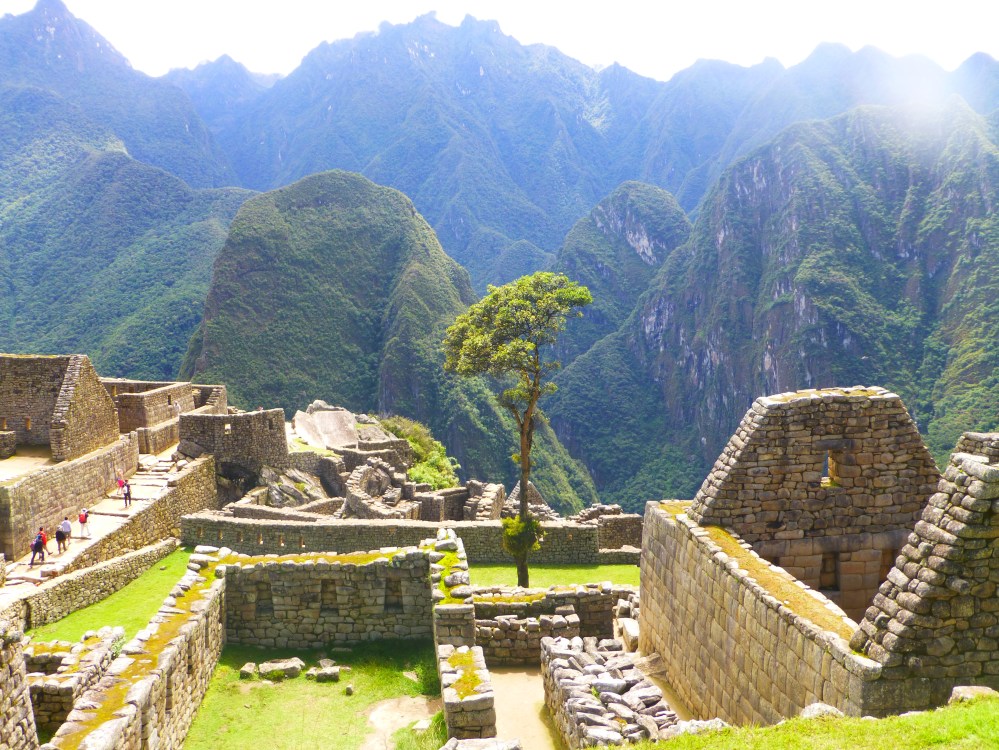
The trail covers 45 km and we’d be hiking through some spectacular scenery; through forests, alongside waterfalls, up and down steep mountain paths and past many other Inca sights along the way. At its highest point we’d climb to 4,200m, ascending up to 1,600m on day 2.


The entire operation relies heavily on porters. We had 10 servicing our little team and it was their job to carry all the kit; from tents and dining furniture to large gas stoves and cooking equipment. They’d sprint along in order ensure that camp was ready and waiting for us at lunch and when we arrived, often exhausted, each evening.


It was an absolutely amazing experience and we’d highly recommend it to everyone! It was L’s second Inca Trail and it was interesting to see how some things had changed in 12 years (more about that on the last day).


The first day started a bit earlier than expected as Cameron, a Hawaian, sharing our room had not really packed and woke us up at 4am. He somewhat ignorantly asked Lolo if he could turn the lights on and she replied to him that there were currently 12 people asleep in the room and maybe that would be a bit inconsiderate…


We boarded a bus and started our transfer from Cuzco to the entrance of the National Park, picking up our cheerful porters along the way. We were a group of 11 hikers and 2 guides (Edwin and Martin), the 10 porters and our own chef.


After having our passports stamped at the entrance of the National Park, we started our 12 km hike to our first camping spot. The trail first followed the Rio Urubamba but quite soon, we started our ascent. We were just beginning to get hungry when we crossed a steam and arrived at a secluded clearing to find our porters had set up our dedicated dining tent (which is where the porters would sleep each night), complete with tables and chairs and 11 basins of water for us to wash our hands. We enjoyed a three-course lunch with fresh trout – it was absolutely delicious.


The remaining kilometers seemed like a piece of cake and we breezed up past 3,000m to our first camp, which the potters had erected in a field, opposite an imposing mountain. Another three courses and we were in bed, sleeping diagonally in the tent which was slightly too small for Ed. We slept like babies…


Our second day started at 5am with a wake-up call from one of the porters, who arrived at the tent with cups of homemade coca leaf tea. As we had learned from earlier in our trip, these amazing little leaves seriously help with the altitude sickness and seem to help boost energy levels. It’s perhaps unsurprising that they are illegal in other parts of the world, including most Latin American countries.

We’d been warned that day 2 was going to be rough, with a challenging ascent to 4,200m, followed by a steep 400m descent. Over breakfast, the pressure obviously got to us since we ended up bottling it and paying one of the porters to take our heavy pack. Best decision ever!

After breakfast, we started our ascent, slowly walking up through a tropical forest until we reached the pampa of Llullucha. There, we made a long stop waiting for the whole group to arrive. It was the last time we could buy water and snacks until the end of the trek, so our friendly American duo, Nick and Josh decided to buy a bottle of rum. This prompted Eddie to secretly buy some celebratory cigarettes, which later proved to be popular with both the group and the porters. Hard physical exercise, altitude and rum – a combination which brings out the closet smoker in all of us.


We then worked our way up to the 4,200m peak of Warmiwanusca, which was also called the ‘Dead Women’s Pass’. It was a huge effort to get there (we were chewing coca leaves like the locals) but from the top, we enjoyed stunning views through the amassing clouds of the valley and the Inca Trail below us.

One of the girls we’d been hiking with was so exhausted that she remarked that Lolo must really love her husband to knowingly take on this trail for a second time! After a brief picture-stop, we started our descent, which took us down over a thousand steep stone steps to the valley of Pacamayo, where we would camp for the night. Unfortunately that amassing cloud quickly turned into torrential rain – ponchos on – which made our route down all the more traitorous.
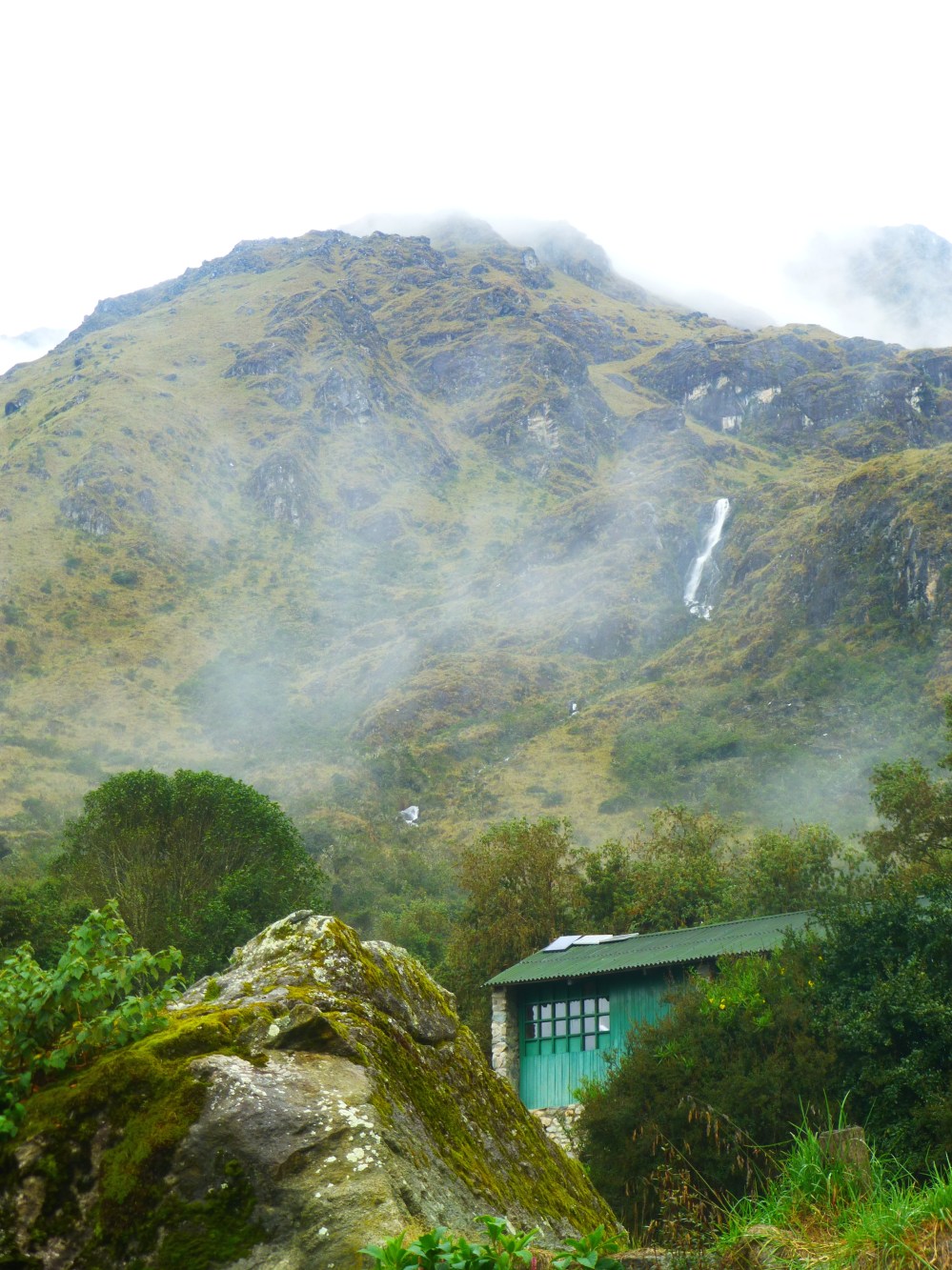
We were very happy to finally reach camp. It had been only 10km that day but the altitude differential had killed us. While waiting for the rest of the group and a late lunch, we had a celebratory drink with Nick consisting of a mix of his rum and chicha (a local purple corn juice) – it tasted remarkably good! After lunch we napped until dinner and then went straight back to bed – we were exhausted.

Earlier that day we’d met our Dutch friends, Wouter and Wyneke, who’s started the trail the same day as us. They were part of a much smaller (and evidently fitter) group, so we’d usually bump into them just as we were arriving somewhere and they were leaving. Day 2 was no exception and as we settled down for a post-lunch nap, their group was off up the trail, which we wouldn’t attempt until the following day.


The third day started very early as we had 16km of hiking and the second and third major peaks ahead of us. We attacked a steep ascending path of stone steps to the Ruins of Runkuraqay. This former lookout is very well preserved and was originally used by pilgrims on their way to Machu Picchu.


We continued our ascent to a peak of 3,950m and from this point on it started to rain for the rest of the day! Ed was carrying his large backpack again and unfortunately the trusty poncho wasn’t large enough to cover everything, so he resigned himself to an inevitable soaking.


Passed the ruins of Sayacmarca and the climate and vegetation completely changed; it became more humid and the plants and trees seemed completely out of control as if we were deep inside the jungle. We stopped for lunch just as it stopped raining but as we started hiking again, the rain decided to accompany us!
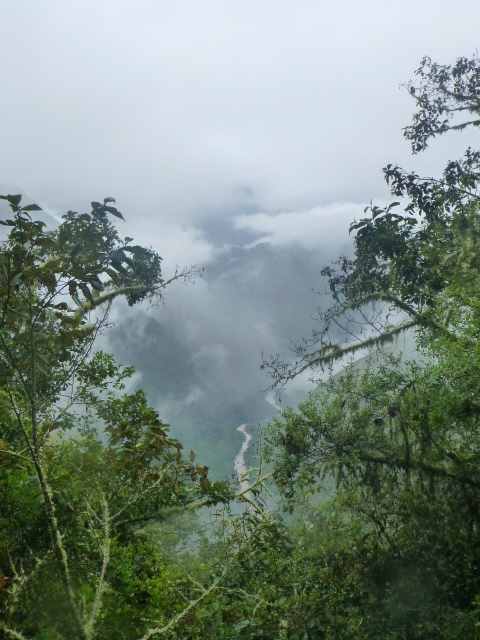
We reached the third peak at 3,700m and soon the mystical ruins of Putupatamarca, known as “the city in the clouds”. The weather was so miserable and we were so fed-up by that point that we didn’t even bother to take pictures anymore (and we actually tried to protect our camera from getting completely soaked).


Finally, just a few thousands slippery steps down, and we arrived at the quite breathtaking grandiose Intipata ruins. An enormous site consisting of beautifully preserved tiers. It was very misty so we didn’t appreciate the sheer scale of the place, however, we did notice the odd lama gazing peacefully.


A short onward march and we arrived at camp, desperate to get out of the oppressive rain. As we arrived, the rain mysteriously stopped and everyone started construction of washing lines and hanging every piece of clothing they had in a desperate attempt to dry them. Obviously, due to the very humid atmosphere nothing dried and many of us were forced to start the final day with wet kit.


Over dinner we said our goodbyes to the porters, since they would be leaving at 4am the following morning to get back to Cuzco. We were all asked to introduce ourselves and we then presented them with a group tip. They seemed delighted.

The fourth and last day started at 3.30am and after a quick breakfast and some hurried packing we started queuing to access the final let of the trail, which would only open at 5h30, sunrise. There must have been 200 people in the queue and we were very much near the back. We were not surprised to find our Dutch friends at the very front!


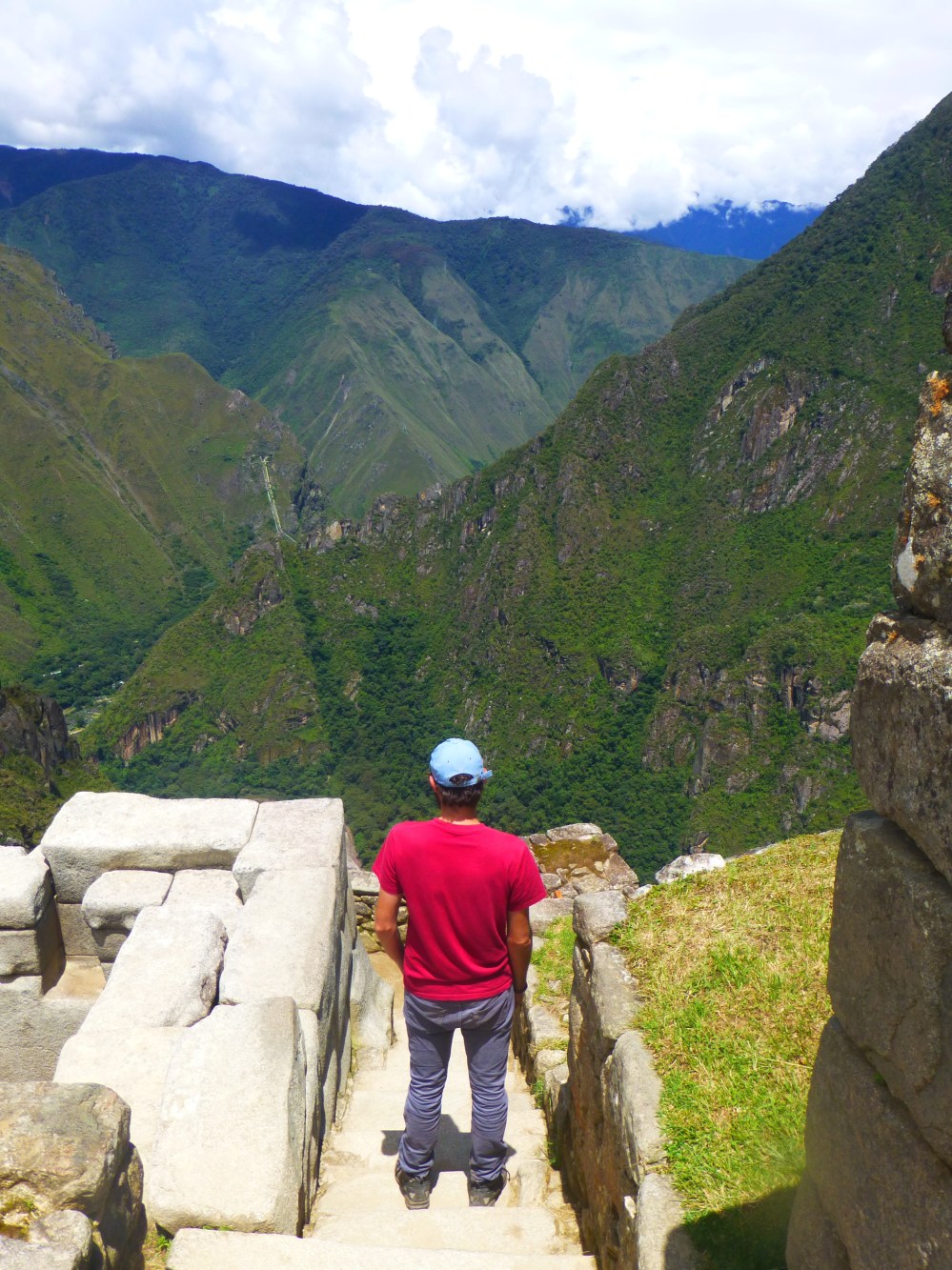
Just over an hour later we arrived at the appropriately named monkey steps – a very steep, somewhat precarious flight of stone steps, which we excitedly scurried up. This was the final hurdle and at the top we arrived at the famous Sun Gate. From our elevated position we were treated to breathtaking views down on Machu Picchu, which was being lit-up by the rising sun.

We felt extremely lucky, since anyone arriving the previous day would have seen very little. With no clouds anywhere to be seen, the view was simply breathtaking. There are just no words to describe it. After four days of intensive hiking in pretty harsh conditions, we were struck by a feeling of extreme joy, accomplishment, and satisfaction making the final descent to the Machu Picchu particularly enjoyable.
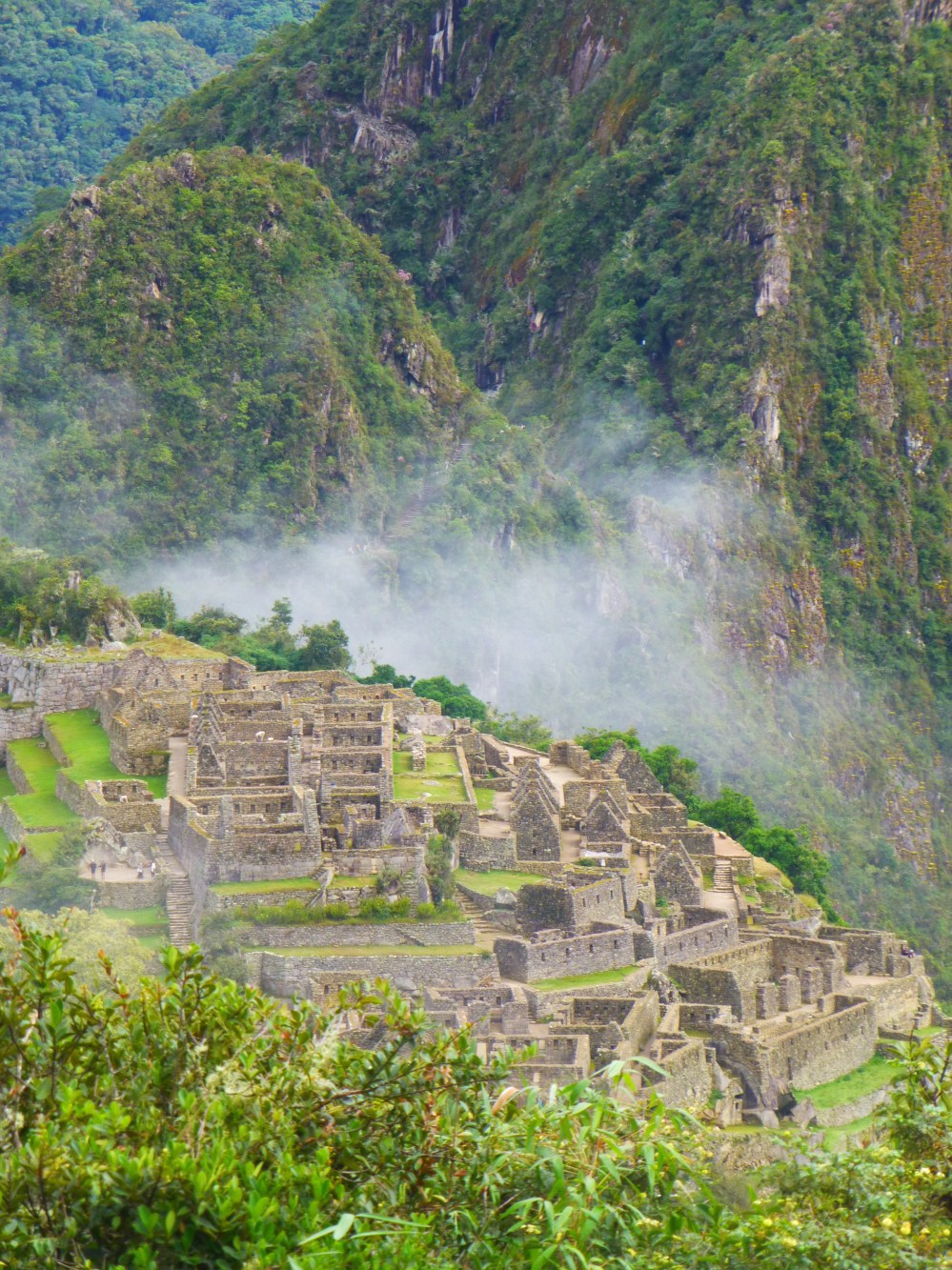
The ancient city of Machu Picchu is still a mystery to historians around the world today. Was it a religious capital, residency of an emperor, home of the Virgins of the Sun or simply the Inca Capital? The city was only re-discovered in 1911 and, incredibly, given its significance, there is practically no Inca reference to it.


When Lolo made the trip 12 years ago, the hikers would arrive between 7am and 7h30 and would have the site all to themselves until 9am, when it would open to the public. The only exception was for the clients of the hotel next door, who could access the site at 8am.
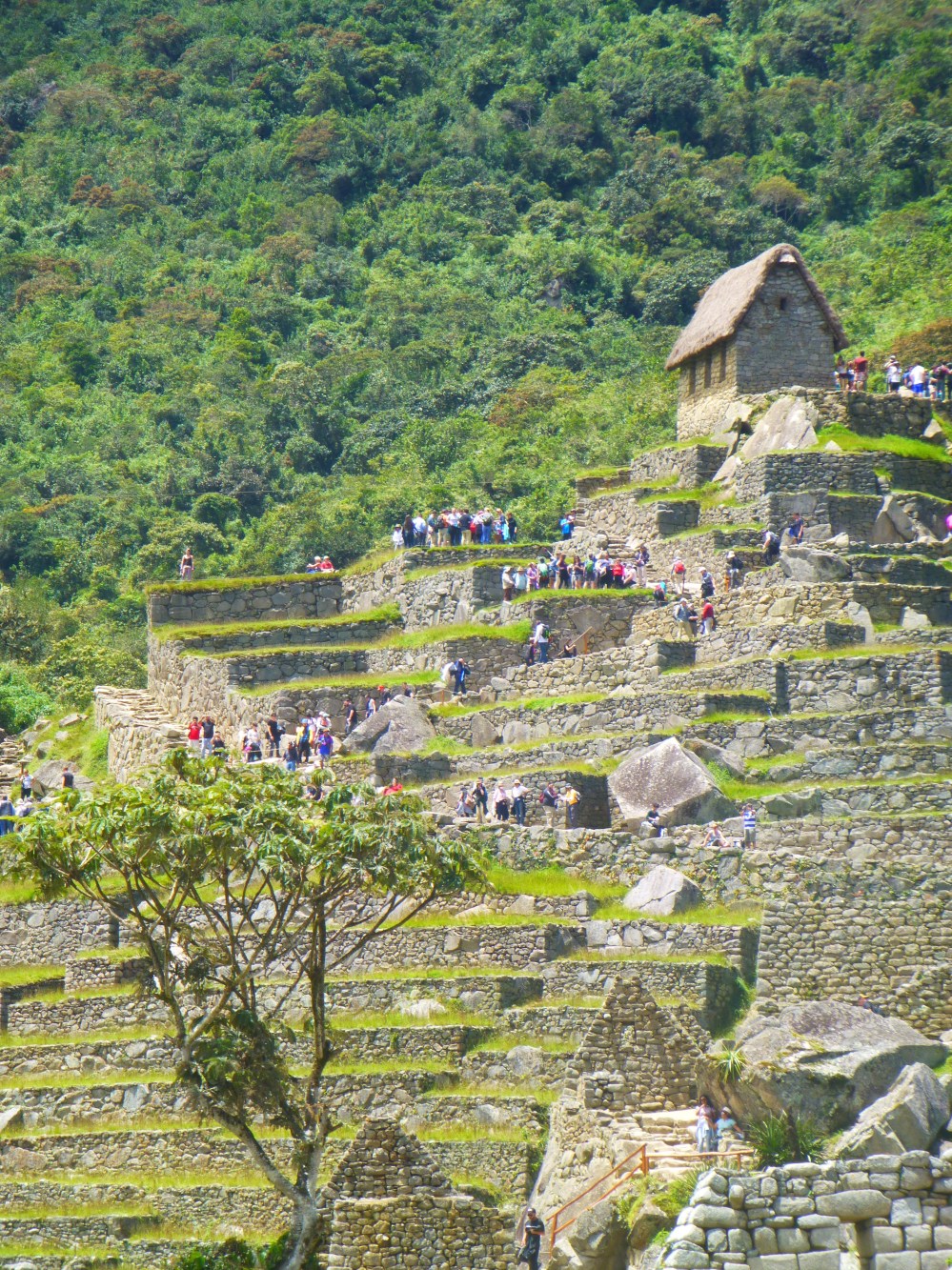
However, since then, given its popularity as a premium tourist destination, the Peruvian government has changed the rules and the site now opens from 6am. From the Sungate we could already observe tour groups running about the ruins like little ants…
Despite Machu Picchu closing for the month of February, witnessing the onslaught of tourists does make you question how the site can possibly be preserved for future generations. In Mexico, it is now forbidden to climb the steps of Chichen Itza and we fear the same might happen to the Machu Picchu quite soon…


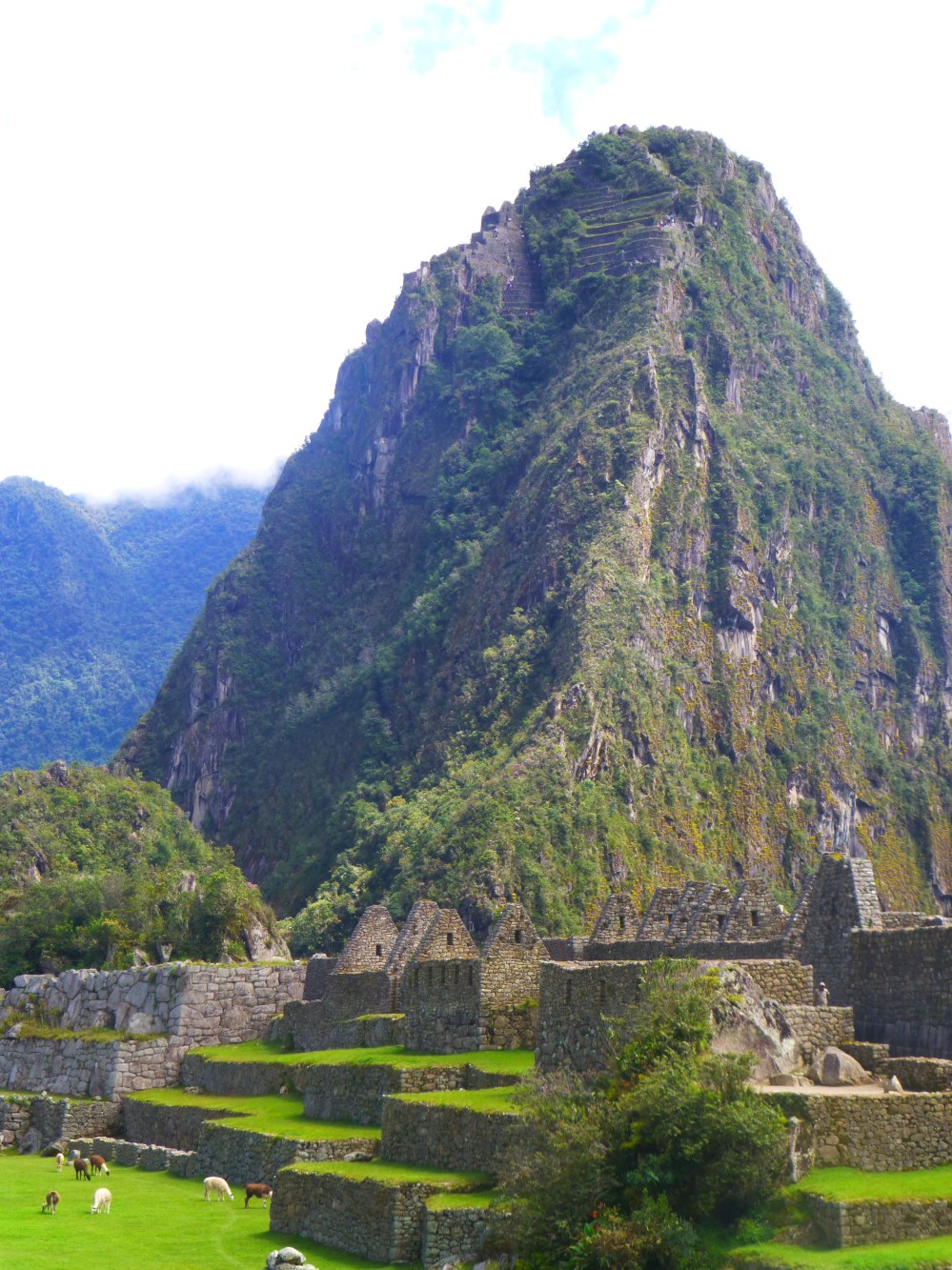
Still, the visit of the city is absolutely amazing and our guide did a fantastic job introducing us to the different parts of the city – ceremonial, religious and public. In typical Inca style, the high temples exhibited the most impressive stonework. We also enjoyed the fact that this is now home to some very relaxed llamas, including Lilly and her long eyelashes.


After the visit, we caught the minibus down the valley to Aguas Calientes for a well-deserved celebratory lunch with the rest of the group. After which we took the scenic train to Oyantamtambo, where we caught a taxi back to Cusco.

Sadly, when we arrived back at Ecopackers, our private room (which we had booked a week before in anticipation that we’d be in need of some “luxury”) was not available. Ed didn’t stay to hear the explanation and left to enquire about a room at the hotel next door. Price negotiated, we checked-in to an enormous double room and spent the next hour or so soaking in the rickety old bathtub.


That evening we’d made a plan to celebrate with Wouter and Wyneke and had agreed to meet up in Café Morena for dinner. Fighting the temptation to sleep, we donned our matching ‘I conquered Machu Picchu’ tee-shirts (which were given to us over lunch) and set-out.


I don’t know if it was a side effect from all of the coca leaves we’d been chewing or the sheer delight at having reached Machu Picchu but we all seemed to go a little nuts that night. Two restaurants (we returned to Chicha for the chocolate bomb), one made up Birthday, dozens of Pisco Sours and 3 clubs later we finally collapsed. Cuzco had been conquered!
Next stop: Lima, Peru
Highlights:
- Machu Picchu and the Inca Trail – massive thanks to our 2 guides, our 10 porters, chef and the group of fellow hikers! What an adventure
- Our silly celebratory night out in Cuzco – it got slightly out of hand; we blame the Dutch!
Gastro Highlights:
- Café Morena – Peruvian food at its best and excellent service (a rareity)
- Chicha (round II) – that chocolate bomb was even better second time around
 edandlolotravel