
Our bus pulled-in at 5am, following Ed’s worst overnight bus journey to date. We were freezing cold and arrived wearing the contents of our small backpack, including the rain ponchos and their covers. Our journey had involved a depressing stopover in Puno bus station, during which all our Copacabana buzz had dissipated.


“I’m sorry, your room won’t be available until midday” was not the welcome we’d been anticipating, and L had to actively restrain Ed from making an enquiry at the 4* hotel opposite. He proceeded to collapse in a hammock, whilst a forever optimistic and energetic Lolo made enquiries for a tour that afternoon.


Cuzco sits at 3,300m and is the oldest continuously inhabited city in Latin America. Best known by tourists as being the access route to Machu Picchu, the city was once the Inca empire’s foremost stronghold and is, in it’s own right, the undisputed archaeological capital of the Americas. A fascinating place worthy of at least a few days to explore the sites.
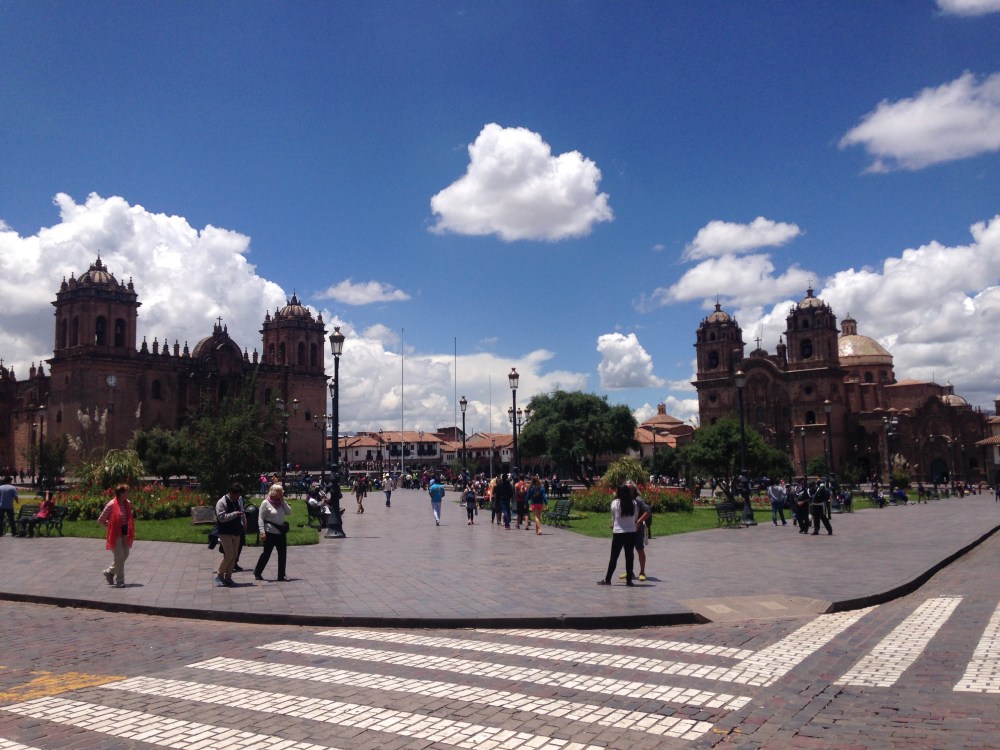
Rejuvenated by breakfast and a market visit, L gave Ed the guided tour, since she wanted to see how much she could remember from her visit some 12 years ago. We passed Mama Africa, “I got a horrendous hangover from that place…!” – location clocked, we were definitely coming back there! L also had fond memories of Bembos Burgers (student days), which is where, I’m sorry to say, we had lunch.


That afternoon, we met up with Wouter and Wyneke (our Dutch friends) for a city tour. We spent a comparative fortune on boletos turistico (tourist tickets), which, for 10 days, would grant us access to 17 sites in and around Cuzco. Our first stop on the tour was the Cathedral, where our guide asked us to pay an additional $8 each – it’s remarkable (and very naughty) that the cathedral is not included in the 17 sites. In there, the mural of “The Last Supper” is worth seeing, since it is centered around a large, roast “cuy” (guinea pig)!
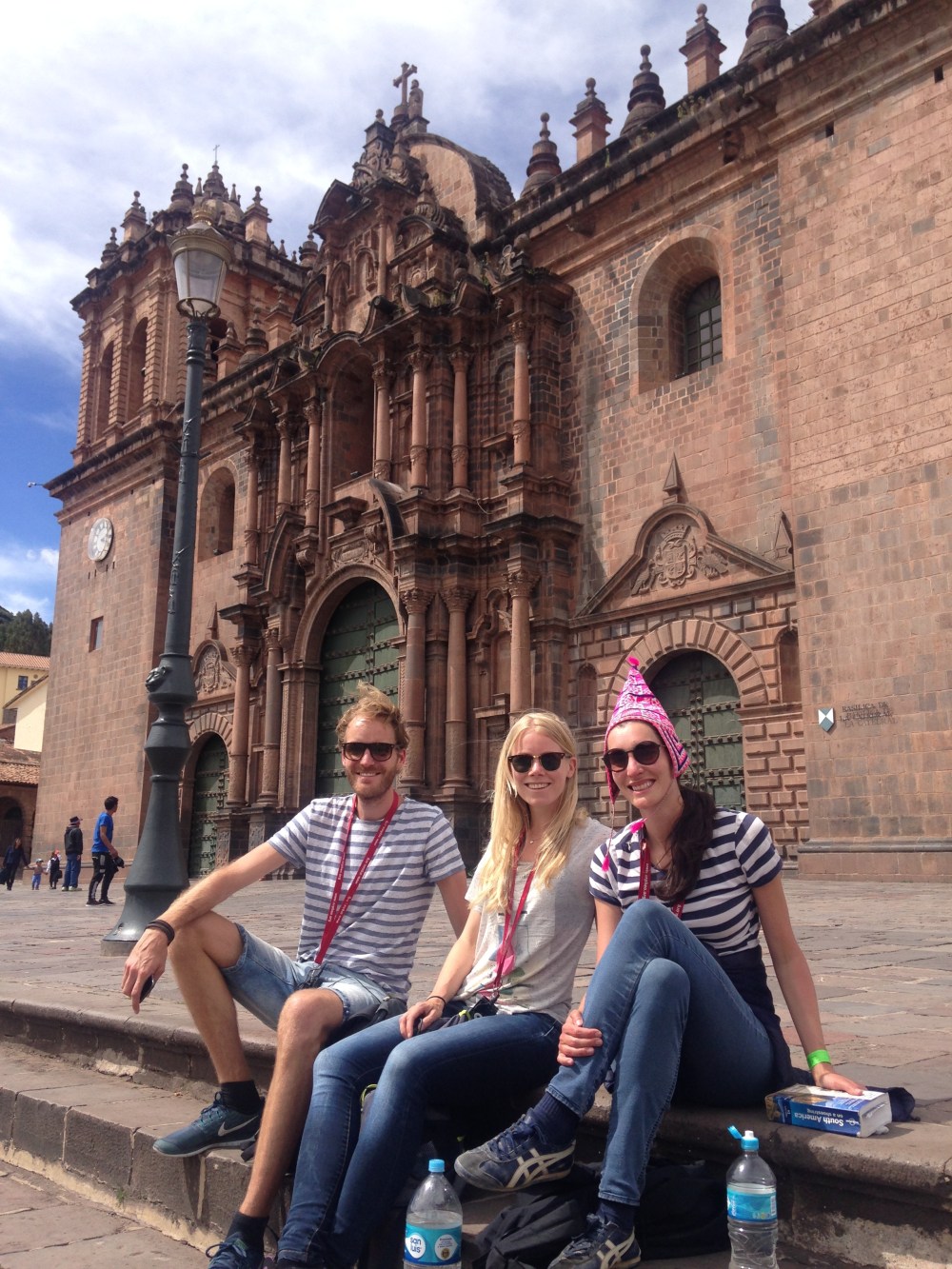
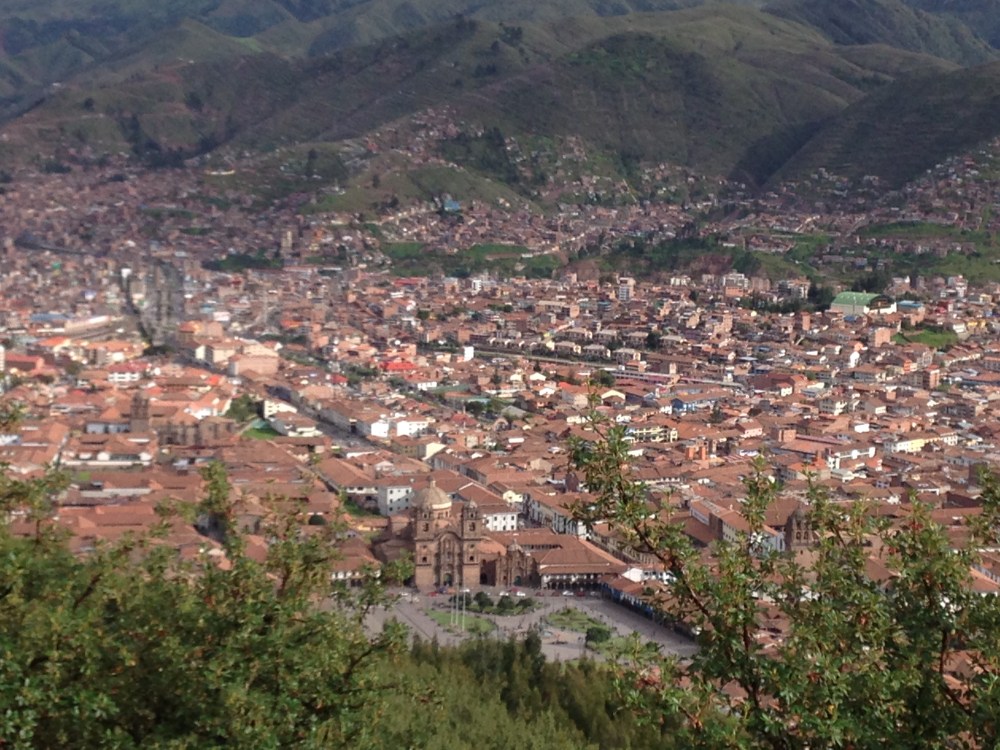
We all agreed that Cuzco has a very European feel and, from a distance, you could easily mistake the pink tiled rooftops and church spires for an Italian town. Sadly, the city is at the tipping point of being completely overrun with international tourism and it’s impossible to walk 5m without being sold something; whether it’s posing for a picture with a baby goat or alpaca, a massage or a shoeshine… “No, gracias”!


Next up was Qorikancha and our first stamp (16 to go…); an original Inca site, which now forms the base of the colonial church Iglesia de Santo Domingo. You could tell the importance of an Inca site by the quality of the stonework. In this case it was impeccable, with each enormous stone carved perfectly to slide seamlessly to the next. No cement or binding substance was ever used and the fact that original stone work remains is testament to how advanced the Incas were when it came to construction. In Inca times Qorikancha was literally covered with gold. But today, all that remains of the Inca’s richest temple is the masterly stonework.


We were then whisked away by bus to some more archaeological ruins. First up was Saqsaywaman (pronounced ‘sexy woman’ and meaning “satisfied falcon”), a huge fort, which in 1536 was the subject of one of the fiercest battles between the Spanish and Manco Inca.


Its name comes from the falcons eating the dead bodies on the battlefield. Today, only 20% of the site remains, since soon after the conquest the Spanish tore down the walls and used the blocks to build their houses in Cuzco.
Next, we visited Tambomachay, an Inca ceremonial bath, which still channels spring water – again, testament to the Inca’s superior engineering and construction skills. Finally, we visited Q’enqo, a small ruin of limestone rock, which was likely used for ritual sacrifices, complete with stone alters and symbolic carvings.


When we arrived back into Cuzco, it was already dark and we were starving. After a little bit of faffing, we found a great pizzeria, with excellent food and good wine. We settled in and had a great evening. We told our friends about Mama Africa and they immediately suggested we all check it out the following evening.
The following morning the four of us set-off early out of Cuzco on another tour (Lolo on organizational fire!), this time to visit Marras and Moray. En route the bus swung-by a small wool factory, where we sat patiently, listening to the demonstration.


The former is a salt mine, which consists of over 3,000 small rectangular terraces, connected via one natural spring at the top.
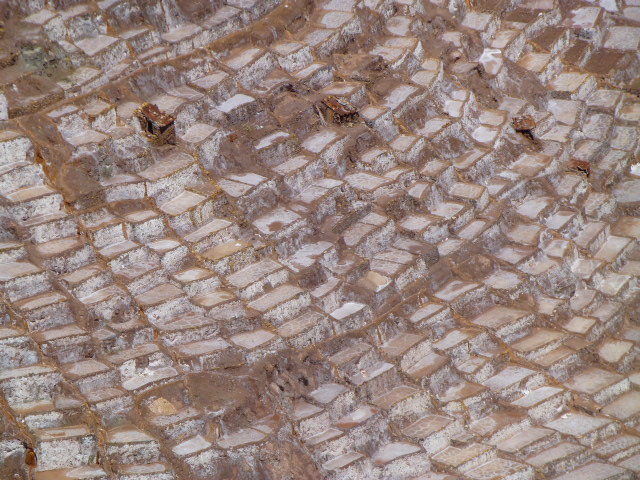
The spring water is naturally warm and salty, due to the deposits in the mountain. Each little plot produces over 250kg of salt per month, however, the site wasn’t in action when we visited, since it shuts-down for maintenance during the summer months/rainy season.


Moray was a very impressive site, consisting of a uterus-shaped terraced bowel, which was meant to represent fertility of the land. The terraces sat at different altitudes and would be used to acclimatize plants. Once acclimatized, seeds from these plants would be distributed and grown throughout the Inca empire.
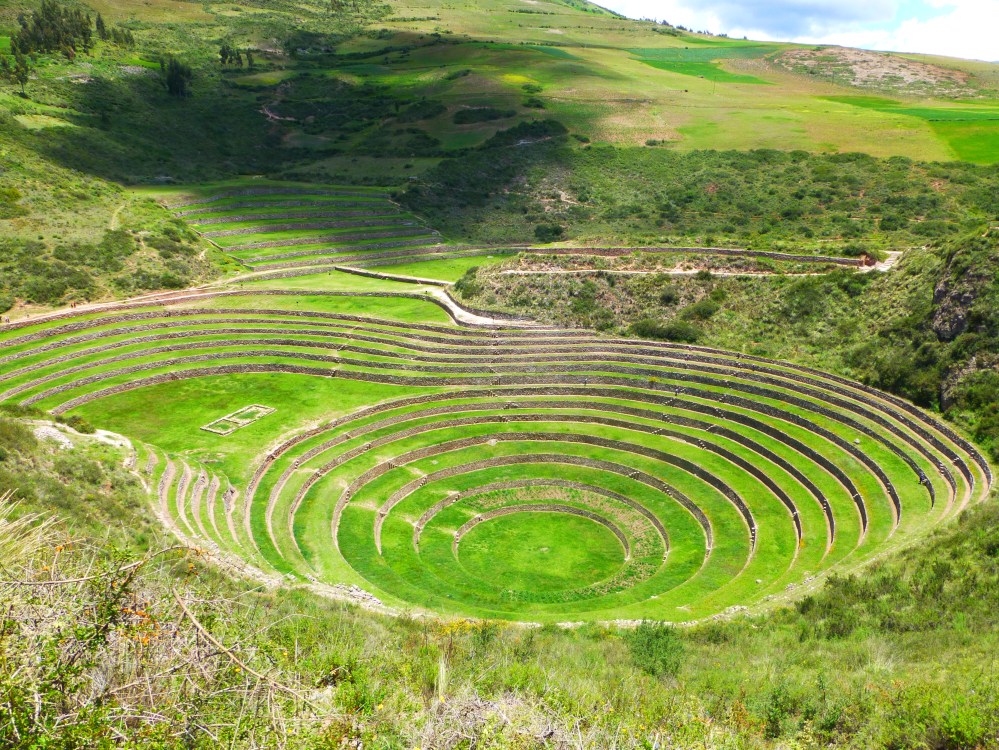
Essentially, it was an enormous greenhouse and this is the reason why coca leaves, which originally came from the jungle, are now widely available in the highlands. Despite some very impatient people on our tour, we particularly enjoyed the visit and the perfectly manicured terraces.


Date night this week was at a restaurant called Chica, by famous chef Gaston Acurio, boasting an array of Peruvian delicacies.


There was a real buzz to the place and we settled at a table by the bar. The food was top-notch but, alas, we are sorry to say we didn’t indulge in any guinea pig!


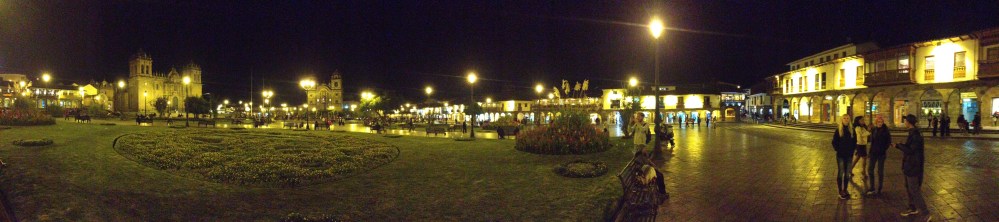
Full and tired, we waddled to Mama Africa somewhat halfheartedly, secretly hoping that our Dutch friends had bailed-out… they hadn’t but thankfully our lethargy didn’t last long since it was ‘Happy Hour’ in Mushroom (the bar below Mama Africa) and a few mojitos/chilcanos later, the sugar worked its magic and we were all full of energy and dancing like idiots to some truly retro tunes.


The next day, we had planned to tick-off some more of the remaining 12 sites on our boletos turisticos, however, a combination of Ed’s hangover, issues with plane tickets bookings and some infectiously comfortable hammocks delayed our plans. We did manage to leave our hostel for lunch – a highly talked-up vegetarian restaurant, with a four dishes menu for 12 soles (about £2.50). We spent the rest of the day blogging and preparing ourselves for the following 4-day hike along the Inca trail to Machu Picchu.


On the eve of our great departure, Whatsap told us that Tom and Katie, our English friends, had arrived in town and were dining just around the corner at Morena Peruvian Kitchen, rated no.1 on tripadvisor. We abandoned our grand repacking effort and popped across to say “hi” and have a quick bite. Katie and Tom were also doing the Inca trail to Machu Picchu but would be setting-off a day later. We gave them our boletos turisticos in the hope that they would be able to get some use out of them.
Tired, full and excited we returned to our hostel to finish our packing and set our alarm for 4:30am…
Next stop: the Inca trail and famous Machu Picchu
Highlights:
- The amphitheater-like terraces of Moray; how clever those Incas were
- Cuzco; a very ‘different’ Latin American town, fun to explore, so long as you can put up with the hard-sellers
- Happy hour at Mushroom on the Plaza de Armas
Gastro highlights:
- Chicha; the Alpaca carpaccio was excellent and the chocolate bomb absolutely amazing (Lolo managed to eat it all by herself!)
 edandlolotravel